The Evolution of Disposable Hygiene Products: From Basic Protection to Smart Comfort
Dec 22, 2025
The Evolution of Disposable Hygiene Products: From Basic Protection to Smart Comfort
Introduction
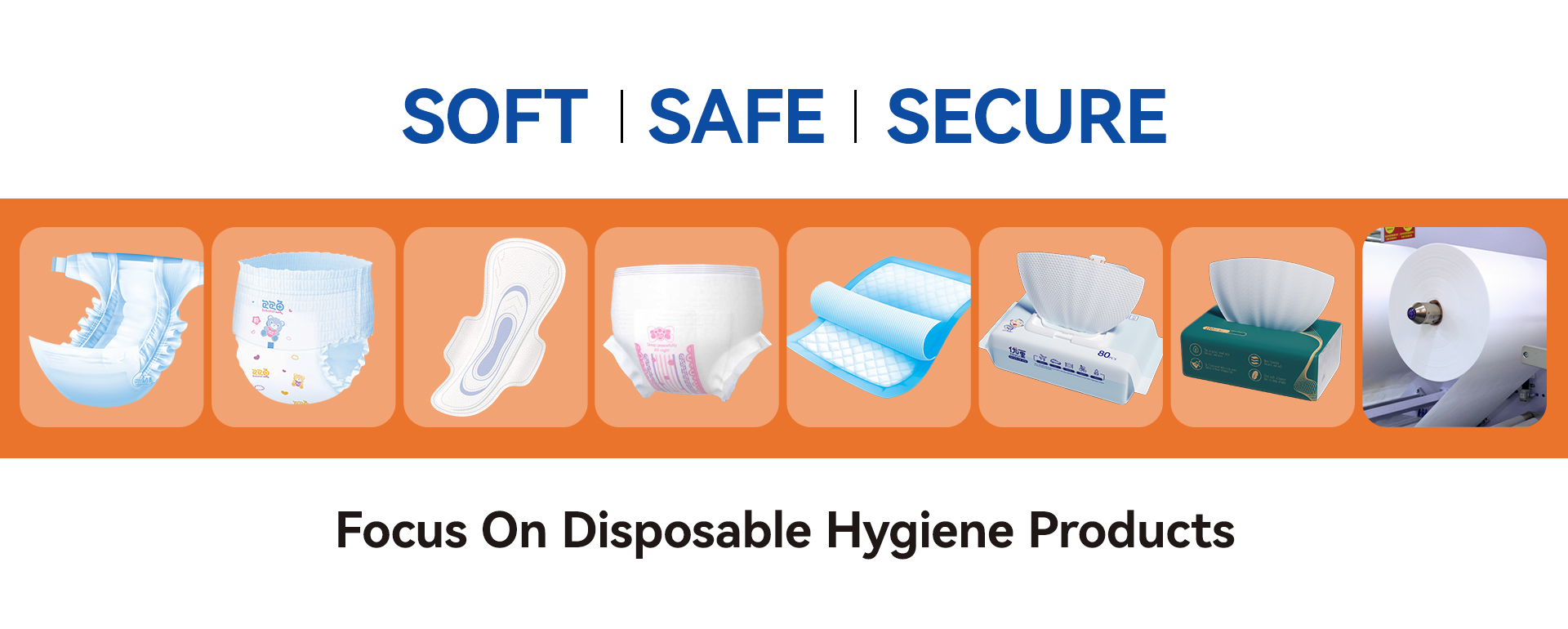
The disposable hygiene products industry has experienced remarkable growth over the past decades. Products such as baby diapers, pull-up pants, sanitary napkins, panty liners, and underpads have evolved from basic absorbent solutions into highly engineered products designed for comfort, safety, and sustainability. This evolution reflects not only technological progress, but also changing consumer expectations worldwide.
Key Categories in Disposable Hygiene Products
Disposable hygiene products mainly include:
Baby diapers and baby pull-up pants
Adult diapers and adult pull-up pants
Sanitary napkins and panty liners
Underpads and nursing pads
Each category is developed to meet specific needs, such as high absorbency, skin friendliness, leakage protection, and ease of use.
Technology-Driven Improvements
Modern hygiene products are built on advanced material technologies:
Super Absorbent Polymer (SAP) for rapid liquid absorption and retention
Breathable PE backsheet to improve air circulation and reduce skin irritation
Soft nonwoven topsheet for a cloth-like, comfortable touch
Ergonomic designs that follow body contours for better fit and freedom of movement
These innovations significantly reduce leakage risks while improving overall user comfort.
Rising Demand for Pull-Up Pants
Pull-up pants (also known as pants-style diapers) have become increasingly popular for both babies and adults. Their underwear-like design allows for easy wearing and removal, making them ideal for active babies, potty training stages, and mobile adults who value dignity and convenience.
Conclusion
As consumers demand higher performance, comfort, and safety, disposable hygiene products continue to advance through material innovation and intelligent design. Manufacturers who invest in R&D and quality control are best positioned to meet global market expectations and build long-term partnerships.
Read More